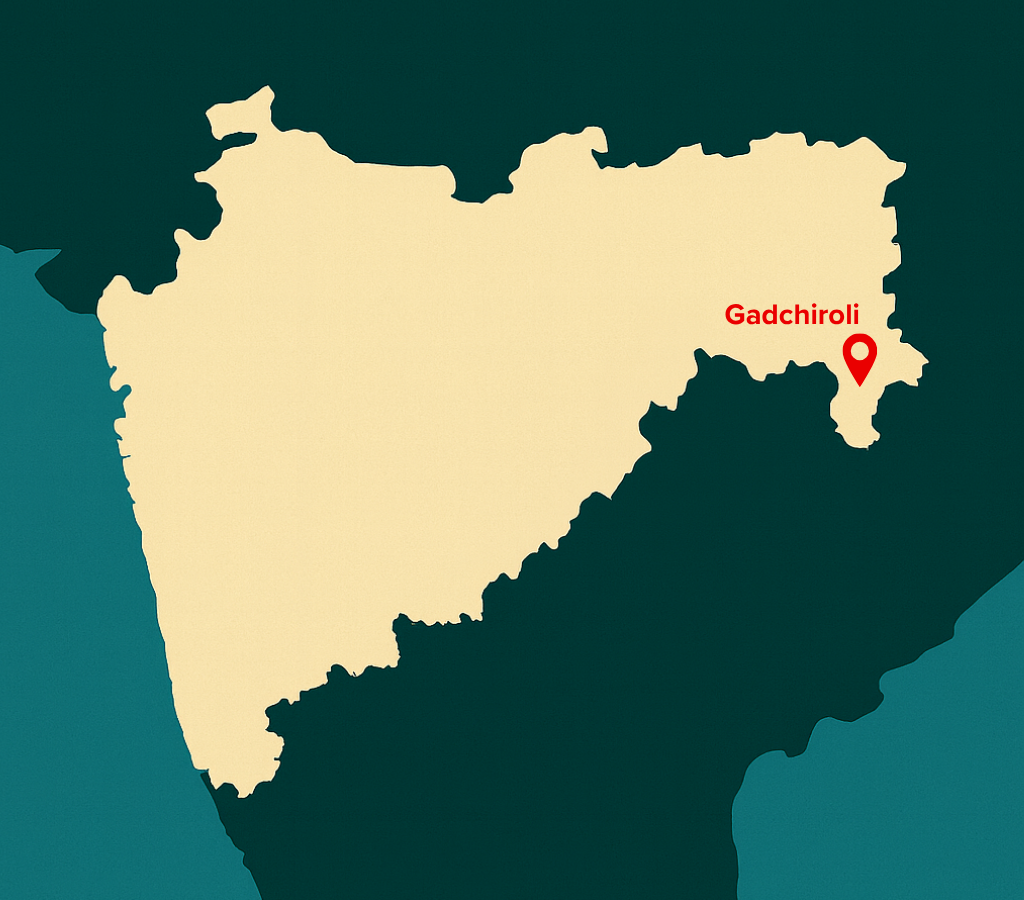
One of Maharashtra's richest biodiversity zones, Gadchiroli's forests are home to hundreds of native tree species and vital wildlife.
We estimate that nearly 30% of this forested land is affected by fires annually
Most families here rely on the forest for their daily cooking fuel because cleaner alternatives like LPG are out of reach
For smallholder farmers - the backbone of India's agrarian heritage - this is an existential crisis. Traditional farming is no longer reliable.
Without intervention, degraded lands will keep expanding, pushing communities deeper into poverty and ecosystems closer to collapse.
We believe that forests thrive when communities thrive. Our work blends ecological restoration, clean energy access, and financial incentives so conservation is not a burden, but an opportunity.
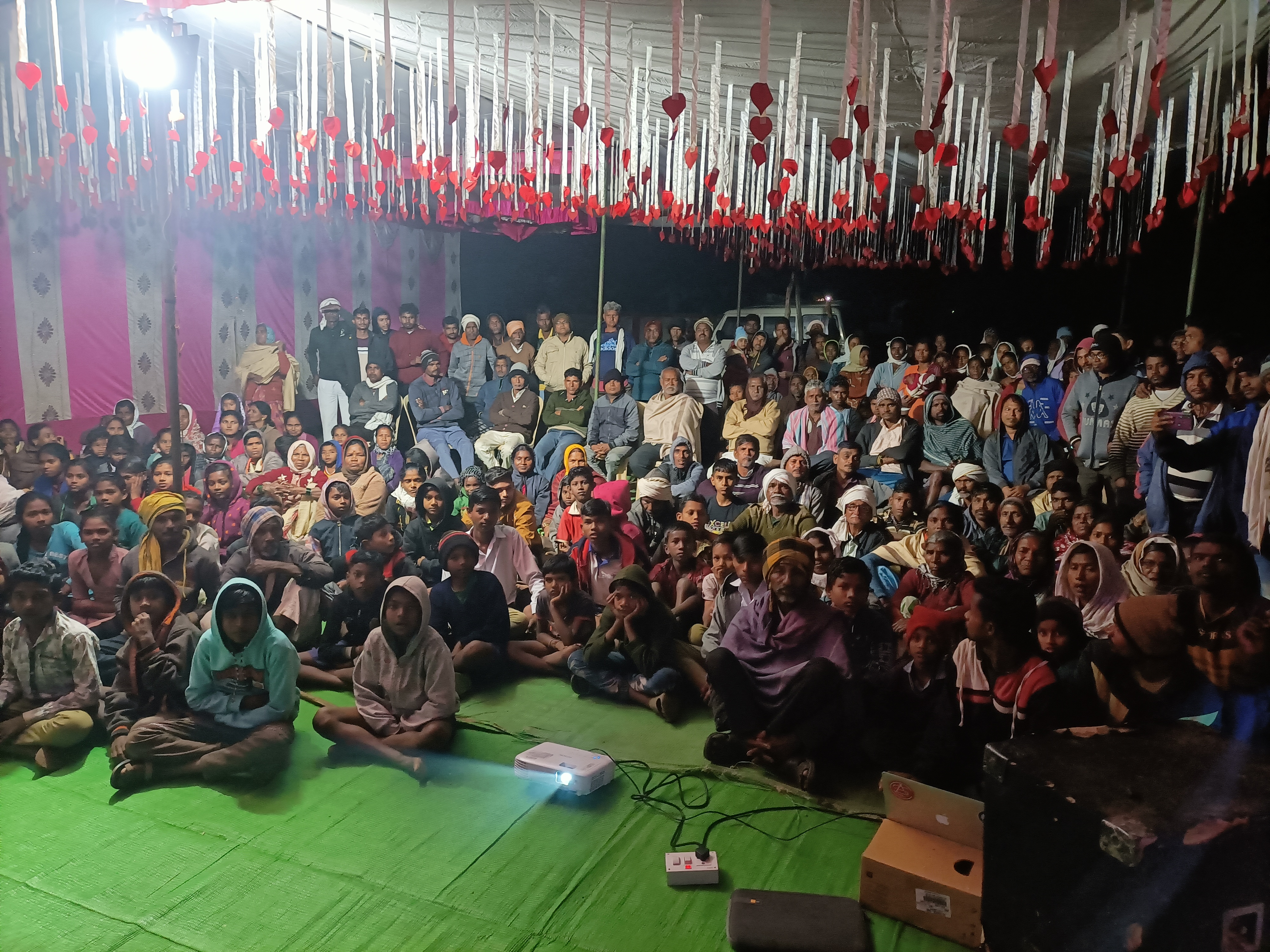
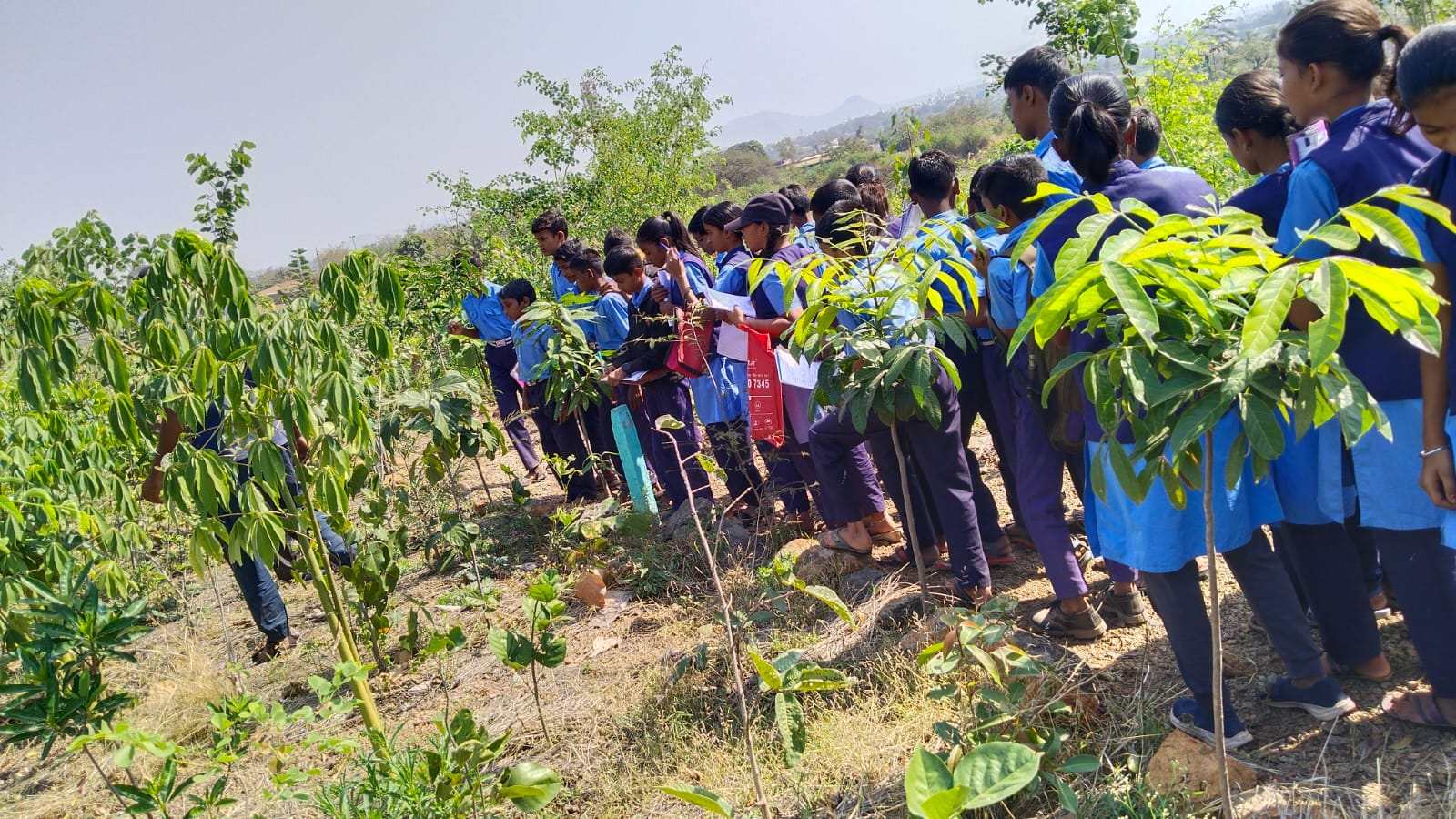
To tackle one of Gadchiroli’s biggest threats - forest fires - we anchor our work in community knowledge and participation. We train villagers in sustainable harvesting and fire prevention, equipping them to patrol, create firelines, and respond rapidly when fires occur. This community-led model reduces human-caused fires while building deep ownership among those who depend on the forest most.
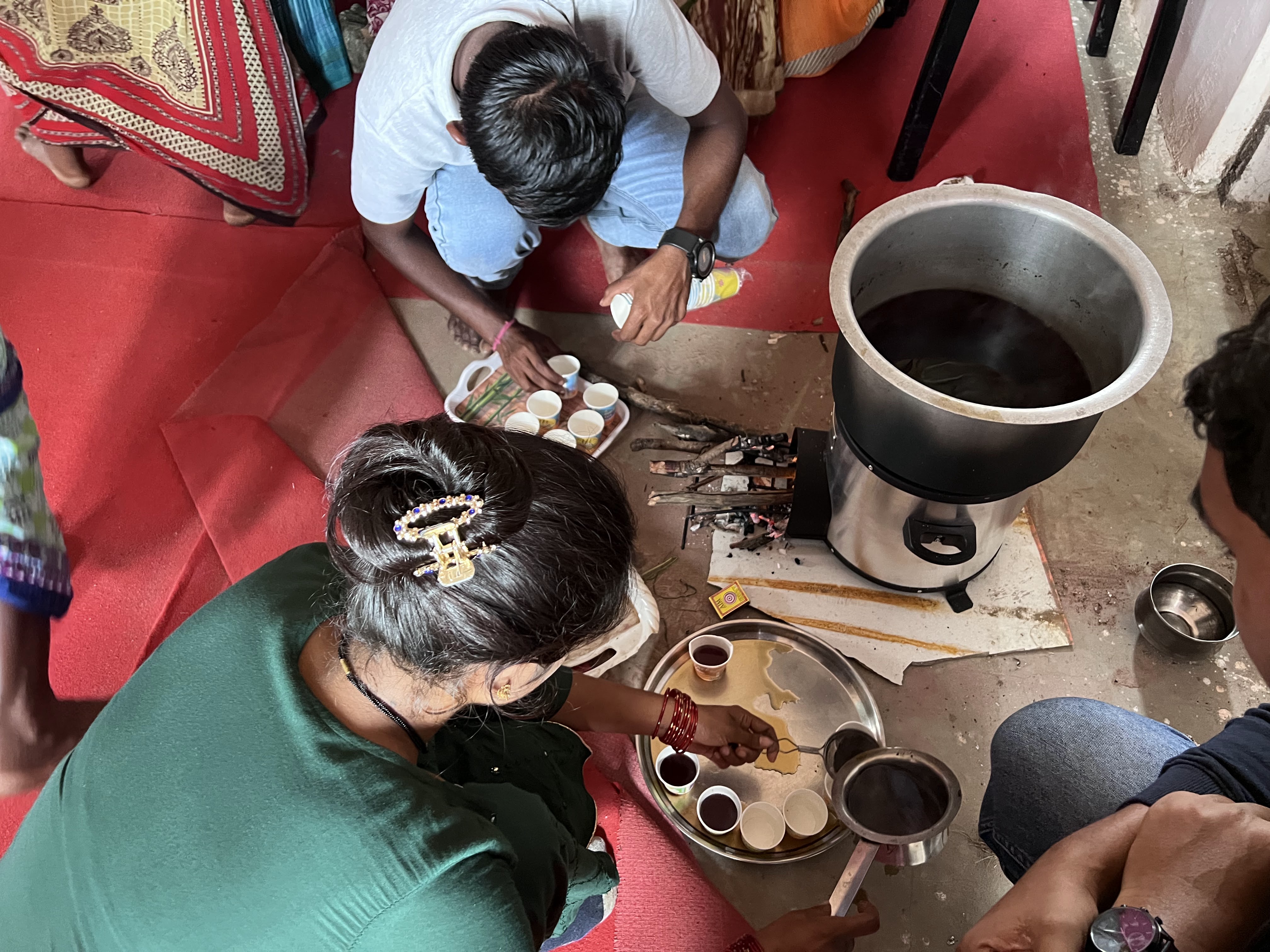
To ease pressure on forests and improve household health, F4F has distributed efficient cookstoves to 22,000 families in Gadchiroli. Using 60% less firewood and emitting 70% less smoke, they make cooking safer - especially for women - while sharply cutting logging. Each stove prevents an estimated 2–3 tonnes of CO₂ annually, delivering benefits from kitchen to climate.
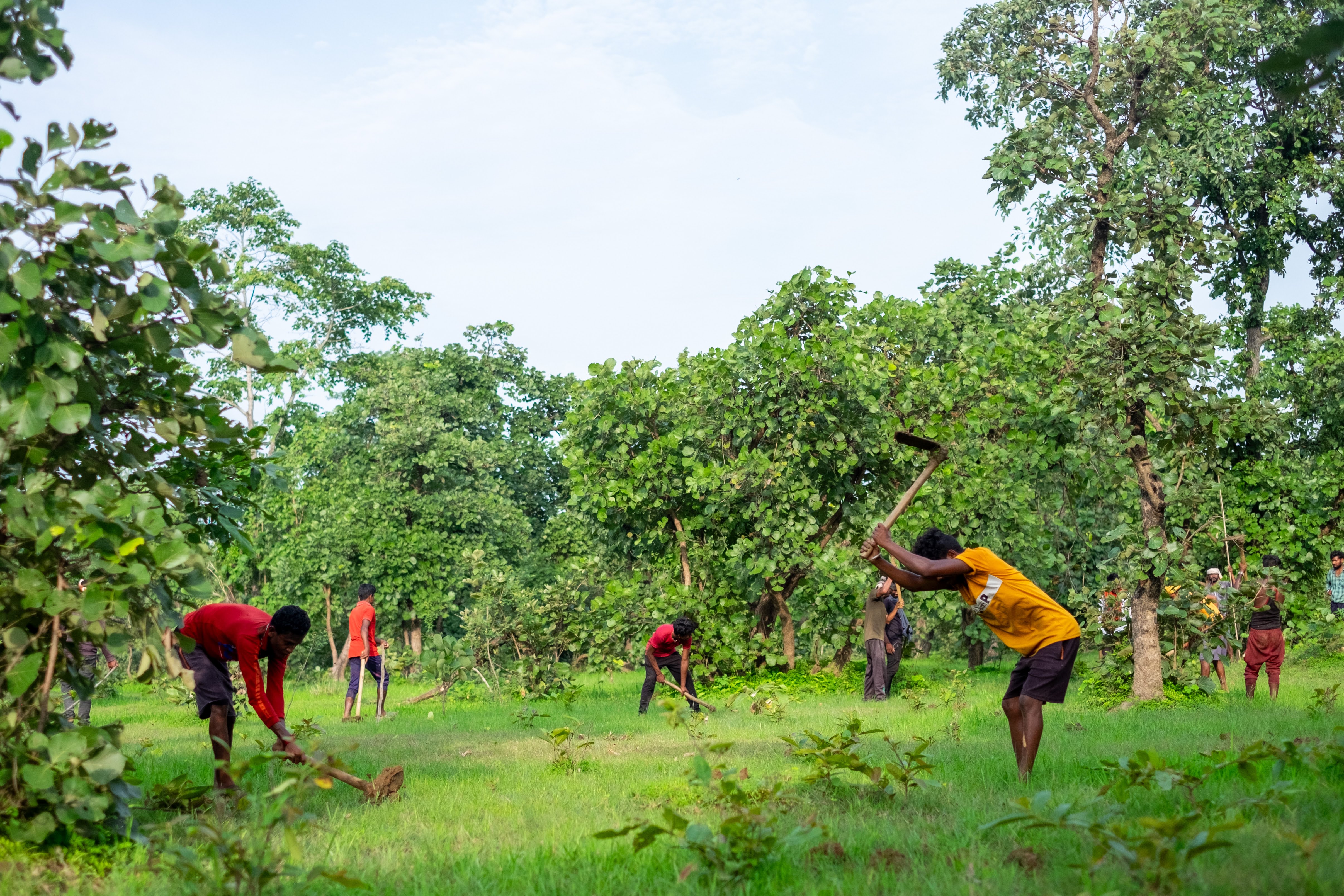
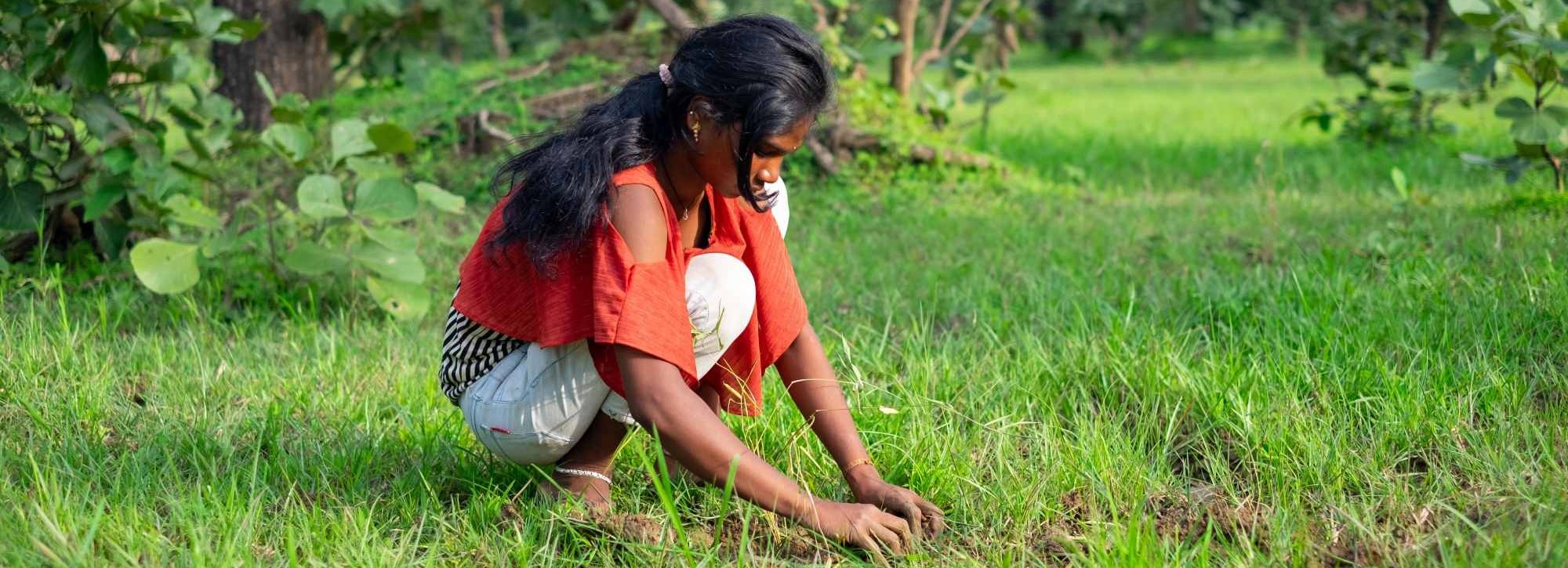
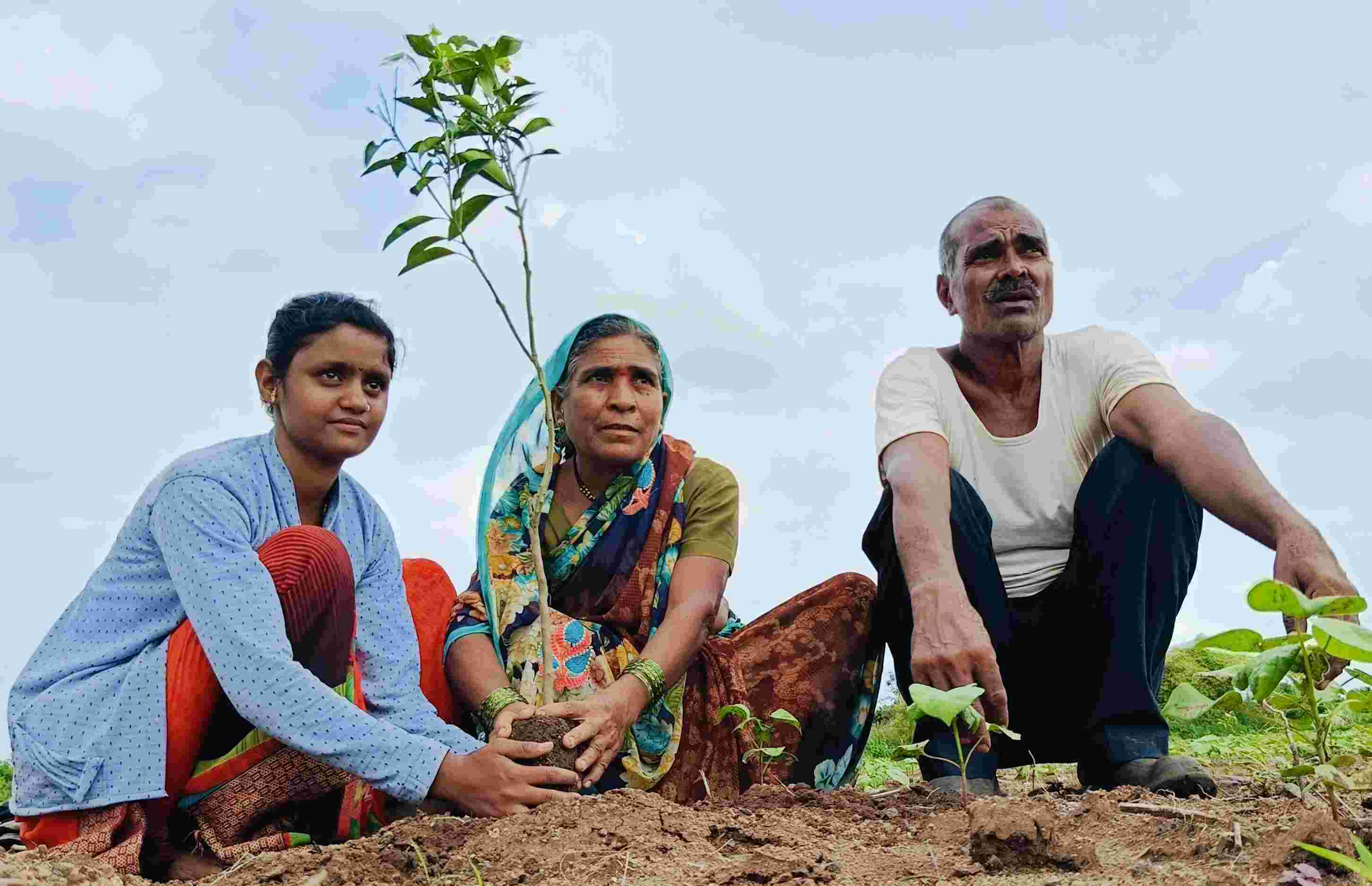
F4F restores degraded forests through tree planting, Assisted Natural Regeneration (ANR), and targeted restoration work, allowing ecosystems to heal and regrow. Landowners who help expand green cover receive results-based payments to ensure survival. All efforts are monitored via satellites, drones, and AI, ensuring transparency, accountability, and community trust as forests recover.

We are delighted that you are considering supporting Farmers for Forests. Your donation makes a big difference in our fight against climate change and its devastating impact on India's vulnerable farmers, indigenous and rural communities.
Support Us